


A guide to relocating vintage furniture
FREE Moving Quote
"*" indicates required fields
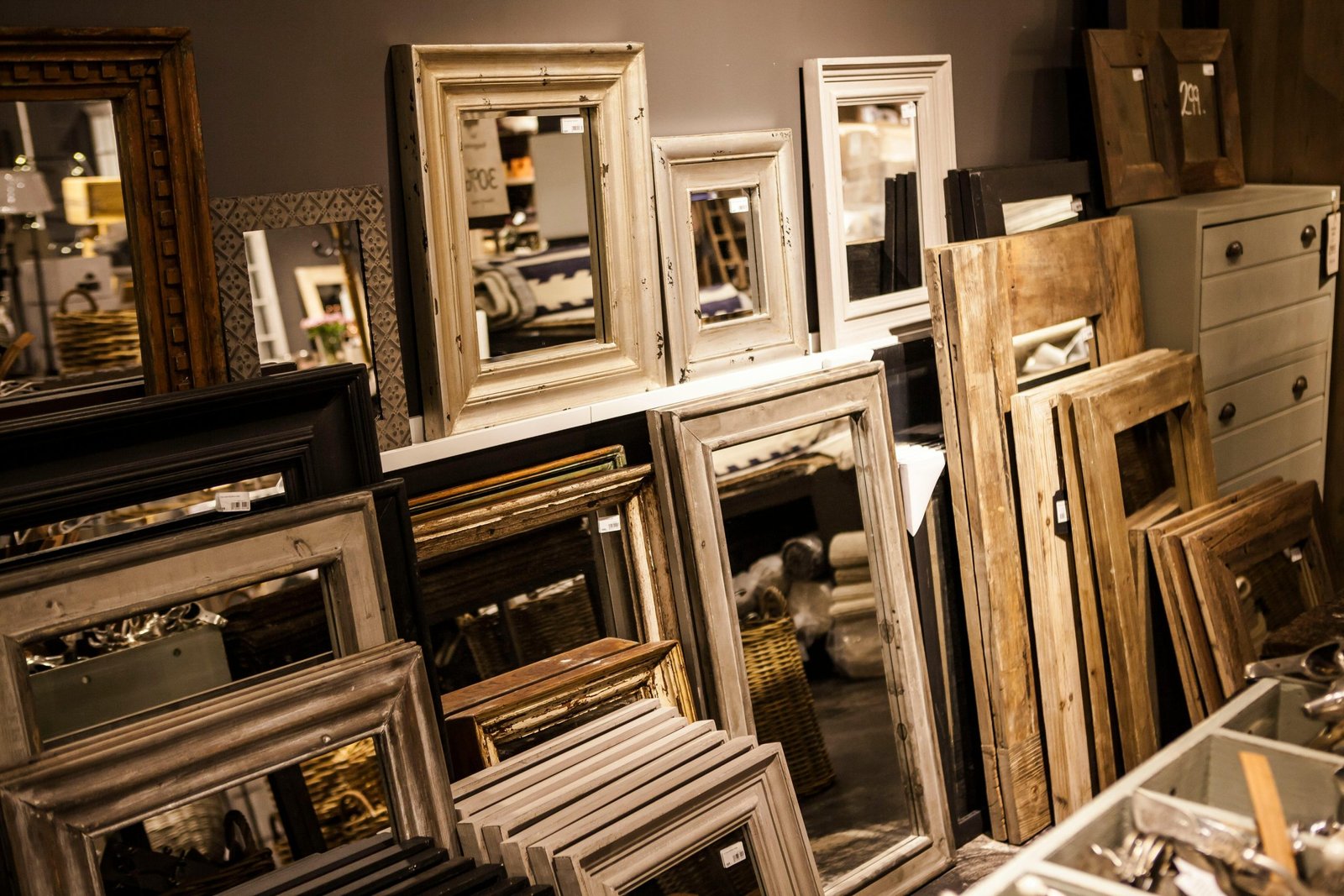
Relocating vintage furniture demands more than basic moving skills. These pieces often carry historical significance, intricate craftsmanship, and sentimental value that modern items rarely match. Their materials can be fragile, finishes sensitive, and joints less sturdy due to age. Even minor mishandling can cause permanent damage. During transport, risks such as scratches, dents, or loosened parts increase, especially if the furniture isn’t prepared or packed correctly. Changes in temperature and humidity can also warp wood or affect delicate upholstery. That’s why working with experts is essential. Pro Alliance Services understands the care these pieces require. With the right expertise, relocating vintage furniture becomes a careful process that protects both its condition and value.
Assessing and preparing your vintage furniture
Before packing furniture for a move, a careful assessment helps prevent costly damage. Start by examining each piece for structural weaknesses, loose joints, or hidden cracks. Identifying these issues early allows you to plan repairs or reinforce fragile areas before transport.
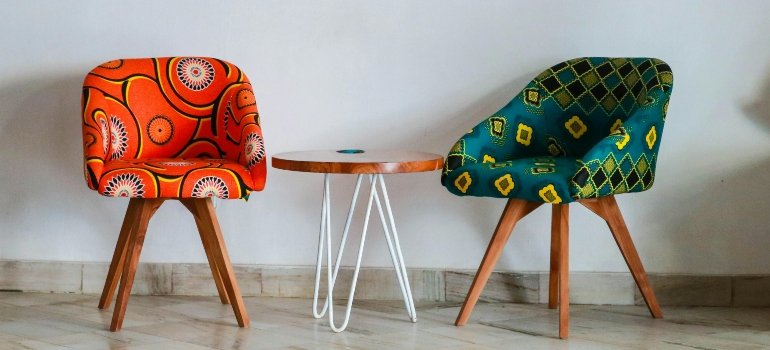
Next, clean the surfaces using gentle, furniture-safe methods. Removing dust and grime not only improves appearance but also prevents scratches caused by trapped debris during packing. Be cautious with polishes or cleaners, as some can harm older finishes.
Finally, secure or remove any loose components such as knobs, glass panels, or decorative elements. Wrap them separately in soft padding to avoid breakage. Taking these steps ensures your furniture is stable, protected, and ready for safe handling on moving day.
Choosing proper packing materials
Protecting older furniture during a move starts with selecting the right packing materials. Quality supplies help shield delicate surfaces, fragile edges, and intricate details from the bumps and shifts of transport. For best results, consider using:
- Furniture pads to provide thick cushioning that absorbs impacts and prevents scratches.
- Bubble wrap to protect corners, carvings, and other fragile areas from breakage.
- Custom-built crates for highly valuable or unusually shaped items that need extra stability.
- Acid-free paper to wrap surfaces without causing chemical reactions or discoloration over time.
- Stretch wrap to hold padding securely in place without sticking directly to the furniture.
It’s best to avoid packing materials like printed newspaper, dyed tissue paper, or coarse fabrics. These can leave behind stains, ink marks, or tiny abrasions that are difficult—sometimes impossible—to repair.
Packing and handling techniques
Securing older furniture for transport takes more than simply covering it with padding. Each piece should be wrapped in layers that protect both structure and finish, with special attention to corners, edges, and decorative details. Padding must be snug enough to stay in place but not so tight that it causes pressure marks. Delicate surfaces benefit from an initial layer of acid-free paper before adding thicker protective materials.
When it comes to moving, the way furniture is lifted and carried matters just as much as how it’s packed. Avoid dragging or tilting in ways that strain joints, weaken glue, or put stress on aged wood. Using proper lifting techniques and stabilizing items in transit reduces the risk of costly damage. This is why many people turn to professional packing services San Antonio residents rely on. Experienced teams have the skills, equipment, and materials to ensure each piece arrives safely.
Transport considerations when relocating vintage furniture
Moving older furniture safely depends on more than careful packing—it also requires the right transport setup. Choosing a vehicle with adequate space, proper tie-down points, and smooth suspension helps keep pieces secure during the journey. Items should be positioned to prevent shifting, with straps and padding holding them firmly in place.
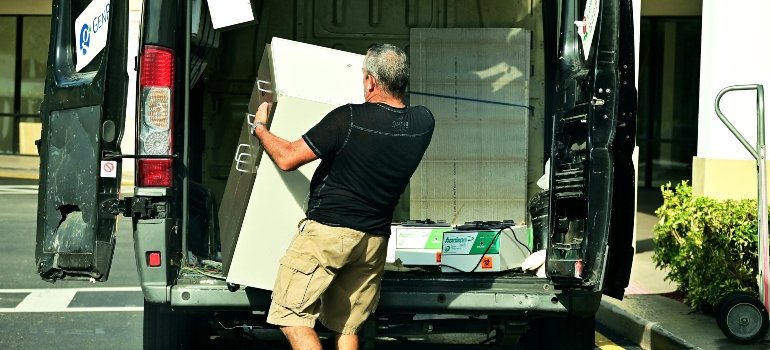
For especially delicate wood, upholstery, or finishes, climate control is a key factor. Maintaining stable temperature and humidity prevents warping, cracking, or fabric damage. Reducing vibration during transit, either through specialized equipment or careful driving, further protects fragile joints and details.
Apartment movers San Antonio offers familiar with the local area and building layouts can be invaluable in this process. They understand how to navigate tight hallways, elevators, and stairwells without risking damage.
Working with professional movers experienced in vintage pieces
Hiring furniture movers San Antonio offers who specialize in handling older, valuable furniture offers peace of mind that general moving services often can’t match. These specialists understand the fragility of aged wood, the vulnerability of antique finishes, and the unique construction methods used in earlier eras. Their experience allows them to select the right materials, lifting methods, and transport setups for each piece, reducing the risk of costly damage.
Clear communication is just as important as expertise. Before moving day, discuss the history, condition, and any known weaknesses of your furniture. Point out fragile areas, loose joints, or previous repairs so movers can take extra care. Provide instructions on preferred packing methods, climate requirements, or handling restrictions.
Unpacking and setting up at the new location
Once your pieces arrive, the unpacking process should be just as careful as the preparation and transport. Remove protective layers slowly to avoid scratching surfaces or catching delicate edges. Keep tools like scissors or box cutters away from finishes to prevent accidental marks.
After each item is unwrapped, inspect it closely for any signs of transit damage, loose joints, or shifted parts. If you notice issues, address them immediately—either with minor at-home repairs or by consulting a restoration professional.
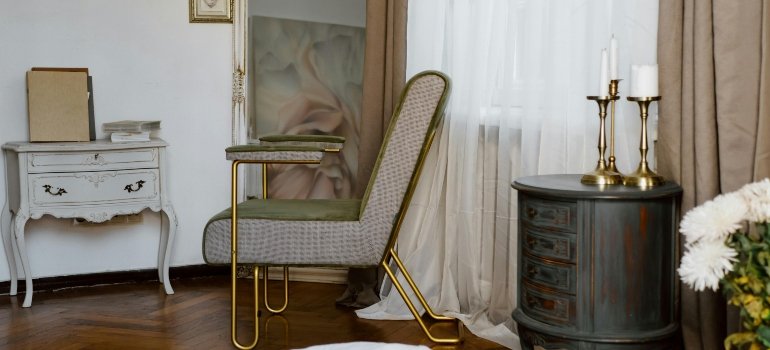
When deciding where each piece will go, follow the same principles you’d use when learning how to move heavy furniture: lift with proper technique, avoid dragging, and use sliders or dollies on hard floors. This approach protects both your furniture and your new space.
Protecting your vintage furniture through thoughtful moving
Relocating vintage furniture requires patience, the right techniques, and a deep respect for each piece’s history. From careful assessment and proper packing to climate-controlled transport and skilled handling, every step plays a role in preserving both condition and value. Partnering with experienced movers ensures your furniture receives the protection it needs, while clear communication helps avoid costly mistakes.
Testimonial

From the first phone call to the last box unloaded, Pro Alliance Services LLC exceeded my expectations. The crew was friendly, professional, and incredibly efficient. They wrapped and protected everything, including some fragile pieces I was nervous about moving. I’ve worked with a few moving companies in San Antonio before, but this was by far my best experience. Their attention to detail and genuine care for my belongings stood out. I wouldn’t hesitate to hire them again or recommend them to friends and family.

Martin Alvarez
/ 2 months ago
Request Your Moving Quote Today!
Get a Quote
Contact Us
"*" indicates required fields